Quick answer
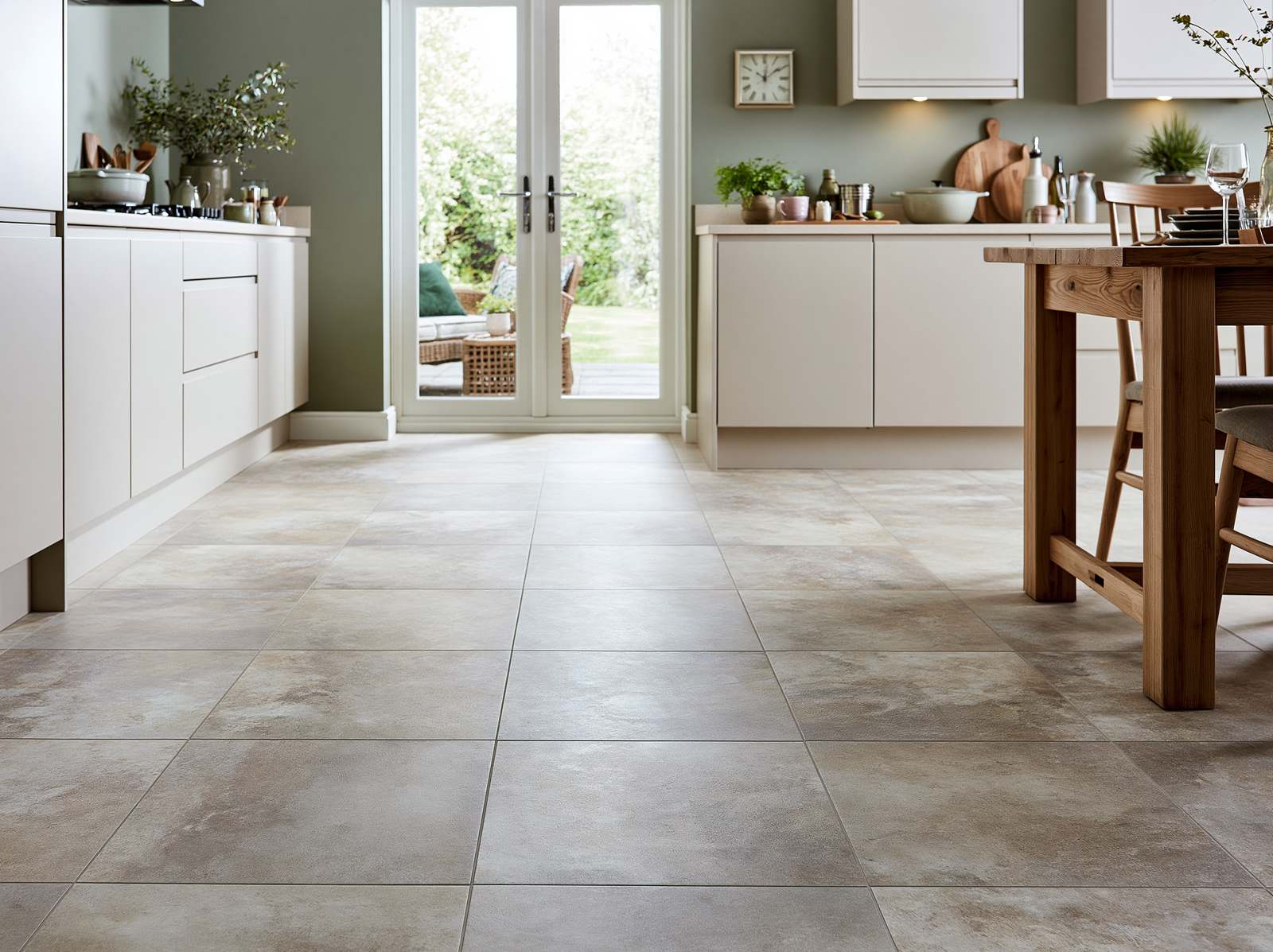
LVT (luxury vinyl tile) is a hard-wearing, water-resistant vinyl flooring made as individual planks or tiles with a realistic wood or stone look. It suits kitchens, hallways and living areas. It comes as click (floating) or glue-down, each needing a very flat subfloor. We supply and fit LVT across Burton-on-Trent — send your room details for an indicative estimate.
LVT has become one of the most popular hard floors because it combines a convincing wood or stone appearance with the practicality of vinyl: it's water-resistant, warm underfoot and hard-wearing. It's made as individual planks or tiles, which allows patterns like herringbone as well as classic plank layouts.
LVT is either clicked together as a floating floor or glued down to the subfloor. Both demand a very flat, clean and dry base — LVT is less forgiving of an uneven subfloor than carpet, so preparation is central to a good result. We supply and fit LVT, and can fit LVT you provide.
Who this is for
- Homeowners wanting a premium wood or stone look with everyday practicality
- Kitchen, hallway and open-plan living projects
- Landlords wanting a durable, water-resistant floor that looks smart
- Anyone who has chosen LVT and needs skilled fitting
Suitable applications
- Kitchens, hallways and open-plan living spaces
- Rooms where a realistic wood or stone effect is wanted
- Homes that need a water-resistant floor without a tiled feel
What's included
- Advice on click vs glue-down, wear layer and format
- Supply of the chosen LVT, or fitting of LVT you provide
- Floating or glue-down installation to a prepared subfloor
- Trims, thresholds and beading where specified
What isn't automatically included
- Self-levelling or subfloor preparation unless quoted (frequently required)
- Uplift and disposal of old flooring unless included
- Underfloor heating works or commissioning
- Feature patterns (e.g. herringbone) beyond the agreed scope
What we need to give you an estimate
- Rooms and rough dimensions
- The subfloor type and how flat and sound it is
- Whether you want click or glue-down, and any product you've chosen
- Whether there's underfloor heating
- Whether the old floor needs lifting and removing
Click LVT vs glue-down LVT
Click LVT floats over an underlay and is quicker to fit and lift, which can suit rooms that may change. Glue-down LVT is bonded directly to the subfloor, giving a very stable, thin floor that works well over underfloor heating and in larger areas. Both need an exceptionally flat base. Our click vs glue-down LVT comparison explains which suits your room.
Subfloor preparation for LVT
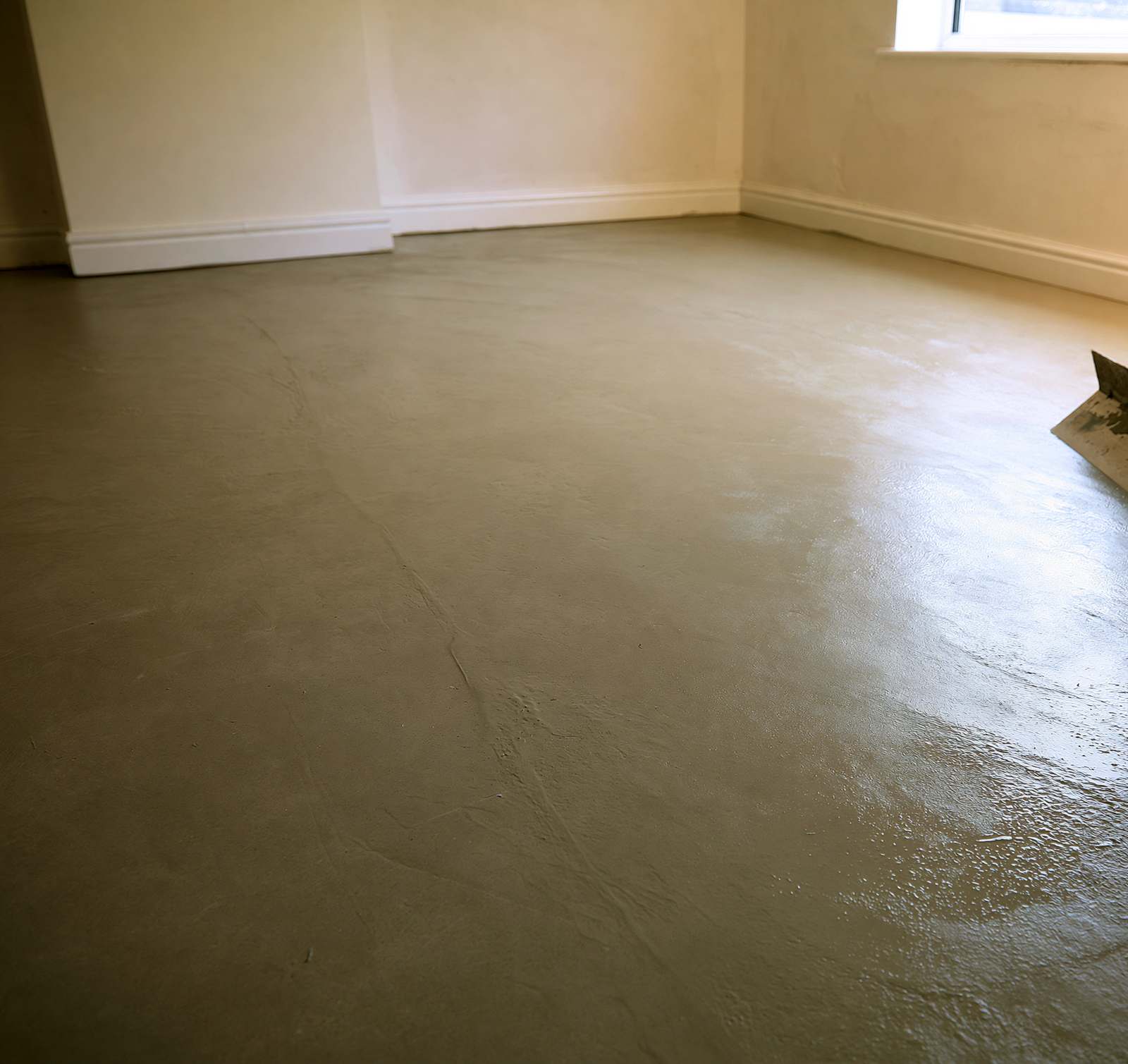
- A very flat subfloor — LVT shows and can wear over ridges and hollows
- Self-levelling compound over concrete, or a plywood overlay over timber, where needed
- A clean, dry, dust-free surface for glue-down installations
- Acclimatisation of the LVT in the room before fitting
Likely project stages
- Send room and subfloor details for an indicative estimate
- Measure, assess flatness and confirm any levelling work
- Receive a written quotation with the agreed scope
- Fitting arranged once the subfloor is prepared and boards acclimatised
Honest limitations
LVT's finish depends on the subfloor being genuinely flat. Where levelling is needed, it is itemised — skipping it risks a poor, short-lived floor.
No price is shown here. Format, wear layer and preparation all affect cost, so it's confirmed by quotation after a measure.